
Research films > Chiedza’s Song
Chiedza’s Song: Growing up with HIV in Zimbabwe
Chiedza’s Song tells the true story of a young woman growing up with HIV in Harare. Its message is positive. Chiedza overcomes serious illness and family rejection to get to university and find love. The film was designed with the participation of young people living with HIV in Harare, to challenge the stereo-typed images of HIV still prevalent. It is shot entirely through Chiedza’s eyes so that the audience sees what she sees and hears what she thinks.
Tatenda, the other main character in the film, voices a central theme that the nature of HIV has changed from a killer disease to a manageable condition in which those infected should not get sick, or infect others. But the image of HIV is still dominated by past prevention campaigns which used fear to change behaviour. Instead, this film emphasises the enormous benefits of modern HIV treatment, and challenges the negative impact of stigma and prejudice, which have become the main barriers to getting treatment to everyone who needs it.
The film was built around a research project funded by the Wellcome Trust, by the Harare based BRTI (Biomedical Research and Training Institute) and the London School of Hygiene and Tropical Medicine. The research found a 2% prevalence for 8 to 18 year olds, with around half of young people unaware they are infected and not getting treatment. Often the adults around them do not want children to get tested, for fear of revealing their own infection. 70% of the children who tested positive and were unaware of their status, had a parent or sibling on HIV treatment. Chiedza’s story is typical in this way. She suspects her father is HIV+ and wants to get her siblings tested. But her father flatly refuses.
The film is designed to provoke discussion and has been shown in Community Halls in Harare in the neighbourhoods where the Zenith Project took place. It is in two parts. In showings in Harare, one of the main characters Tatenda walks out from behind the screen at the end of the first part to start the discussion, with questions arising from his character in the film. A short ending is then played after the discussion. A school’s pack has been developed in Zimbabwe, in partnership with the Ministry of Education, to roll the film out to secondary schools. The themes are universal enough that the film could also be used in other countries. A facilitation guide can be downloaded to help planning events in schools. The film project was funded by the Wellcome Trust.
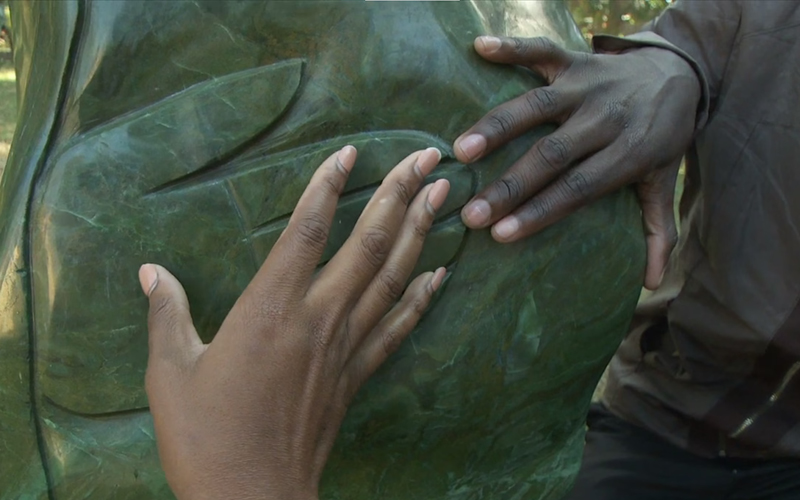
Chiedza’s Song: Growing up with HIV in Zimbabwe (full version)
(English narration, Shona dialogue with English subtitles)
This full version includes reaction and discussions filmed in Harare community halls. It is suitable for showing in schools or other settings without someone to lead a discussion. It can also be used for individual viewing.
Chiedza’s Song: Growing up with HIV in Zimbabwe – a short film about the project
A trailer for Chiedza’s Song made to tie in with worldwide research on adolescent health collected and published by a Lancet Special Commission.
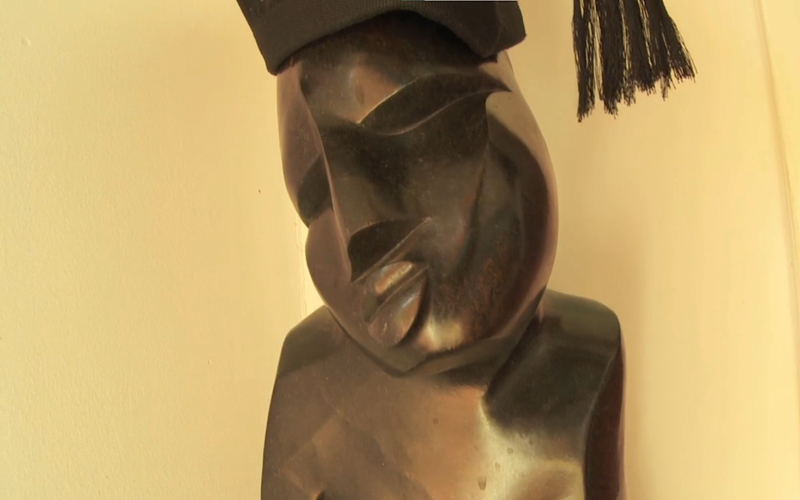
Chiedza’s Song for Schools, Part 1
(Shona with English subtitles)
In this first part of Chiedza’s Song for screening in schools, we see Tazenda, who has fallen in love with Chiedza, come out from behind the screen to ask advice from the audience.
Chiedza’s Song for Schools, Part 2
(Shona with English subtitles)
This second part provides an ending to the story – but with a twist. Starting from the end of the discussion in Harare community halls, Tazenda goes back “into” the film to tell Chiedza how her question to the audiences was received.